Thursday, September 20, 2018

September 24, 25, 26

https://storybird.com/challenges/adjective-amnesia//?&utm_source=sb&utm_medium=mc_email&utm_campaign=trending&utm_term=challenges

September 24
Adjective - describe nouns by giving some information about an object's size, shape, age, color, origin or material.
Adverb  -  a word or phrase that modifies the meaning of an adjective, verb, or other adverb, expressing manner, place, time, or degree (e.g. gently, here, now, very ).

Adjective Amnesia  - let's take a look at this exercise
1.  https://storybird.com/challenges/adjective-amnesia//?&utm_source=sb&utm_medium=mc_email&utm_campaign=trending&utm_term=challenges

2. Choose an image that you like or you find motivating. (ex: an image from society feelings).
    a. Use adjectives and adverbs to describe your motivation in as much detail as possible.
    b. Make sure to answer questions like:
  • What does it look like? 
  • How does it make you feel?
  • What is special and unique about this particular thing?

HOMEWORK:  finish classwork

September 25

1.  Present homework

2. Access this link: https://padlet.com/rddietrich1/jhs3im05fxha
Click on the page to present your work.


http://linoit.com/users/rddietrich/canvases/The%20Magic%20Lamp
Can you log into this link?  Do you need an account?

3. ACTIVITY:  The magic lamp
ATL - Collaboration skills: Negotiate effectively; Build consensus

In pairs, imagine that you have just found a lamp. You rub it and are surprised when a genie appears! The genie of the lamp tells you that you can have three wishes related to your school life. In your pair, agree on the three wishes you wnat to present to the genie.  

HOMEWORK:
https://storybird.s3.amazonaws.com/guides/adjectives-adverbs/resources/Adjectives_and_Adverbs_Worksheet.pdf


September 26 

ACTIVITY: Do you know the IB learner profile attributes?
ATL: Transfer skills: Change the context of an inquiry to gain different perspectives,
          Communication skills: Write for different purposes

1. Use your diary to find descriptions of the IB learner profile attributes.
2. Use your own words to summarize each of the learner profile attributes. For example: 'Caring - I help others and I am nice.'
3. Look at the attributes again and identify at least two that you feel are your strongest.  Write sentences with the attributes you have selected. Start your sentences with 'I am balanced when I . . .'


Sunday, September 16, 2018

September 17, 18, 19

Image result for ib learner profile
https://twitter.com/chrisgadbury/status/952826567389884416
September 17, 18, 19
p. 4 Think-Pair-Share
ATL Creative-thinking skills: Practice visible thinking strategies and techniques
Design a logo

1.  What is a logo? How do I create it?  Research logos. Look at logos from well known companies (ex: Nike, Coca Cola, etc.) 
2.  Create the logo:  The logo must represent you.
3. Present it to the class


Sunday, September 9, 2018

September 10, 11, 12

Image result for ib learner profile skills explained
https://ahills.aurorak12.org/i/ib-learner-profile-the-heart-of-myp/

September 10

1.  What is the IB learner Profile? At the heart of the IB is the 'learner profile' - this is the IB mission statement translated into a set of learning outcomes for the twenty-first century.

Which learner profile attributes do you possess?  
      How do the International Baccalaureate Programmes prepare you for university or college? Well, you might find it interesting to know that there is research that looks at how well students who have done these programmes do not only at Diploma level but also at university and college. The results compare students from the MYP to students who have completed other programmes, and they are very positive. The MYP approach encourages you to think for yourself and to see the difference between classroom information and the world today.

     There are schools that offer other programmes as well as IB courses. Sometimes there is competition about which progrmmme is the best! Everyone believe that their programme is the best option. But what exactly makes the MYP special? It is true to say that one of the main differences is that the MYP not only encourages you to be an independent inquirer but also allows you to explore connections between all the subjects, and you get to complete a personal project which involves lots of research.

HOMEWORK:
Grammar Review:

The Present Simple Tense Explanation 


September 11
1.  Warm-up:  5 minutes

Odd one out -  Choose the word that is different and explain WHY it is different.
                                    window, river, envelope, client, oregano

2.  ACTIVITY:  Unique and shared
ATL - Collaboration skills 
Unique and shared is a game to findout what we have in common with our peers, in other words, our similarities, but also to find out what our own strengths are.

First, in groups, take a sheet of paper and decide who will take notes for your group.

In your group, create a list of the shared traits and qualitites that the members of the group have. For example, 'We all have siblings'.  Try not to write things that are too obvious.  The idea is to try and find strengths and characteristics that are not superficial. You have 10 minutes to do this.

Now, select a member of the group to read your list to the rest of the class.

For the second part of the game, the unique part, work in new groups. Select someone in the group to be the notetaker. Take another sheet of paper and write down unique characteristics for each member of the group. You must try to find at least two unique qualities for each person. Remember to try and choose things that are not superficial.  You have 10 minutes to complete this task. Nominate someone in the group to read a quality, one at a time, to the class.  See if your classmates can guess whose quality it is.


Sunday, September 2, 2018

September 4, 5

https://static.wixstatic.com/media/736b54_7a67687bac4f44dfb60d042f74aa6d8f.png

September 4

Welcome back   😃

Our lineup for today is:
1.  Intro to Year9
2.  English Notebook
3.  Access Managebac

September 5
1.  Set goals
2.  Unit 1 - Am I ready for the real world?
         Are you ready for the future?
'Guard your light and protect it. Move it forward into the world and be fully confident that if we connect light to light to light, and join the lights together of the one billion young people in our world today, we will be enough to set our whole planet aglow.' - Hafsat Abiola
IN  THIS  UNIT,  WE  WILL . . .


  • Find out about different options and how to develop our skills.
  • Explore our personal approach to learning in a way that meets our individual needs to become lifelong learners.
  • Take action by carrying out research to begin to pursue our passion in life. Start to identify what tools are at our disposal to help us work toward our goals.


  • We will reflect on this learner profile attribute.
    Inquirers - we are curious about the world, learn independently and use our experiences to grow in order to become lifelong learners.


    Watch the short video entitled 'When I grow up?'

     https://youtu.be/1x8nInLPWkU

    Do you ever think about what you will be when you grow up? If you do not know, you are not alone. Most teenagers do not know what they want to be. But it is not too early to start to think about the world of work. Choosing a job or career is one of most important decisions of your life.

    The world is changing fast and it is a very different place today from what it used to be, especially in terms of what you can study at university and your career options. New roles are being created all the time, and there ae jobs available to young people today that did not exist ten years ago.

    KEY  WORDS - approaches to learning, skills, career, traits, degree, work experience, pathway
    September10


    1.  What is the IB learner Profile? At the heart of the IB is the 'learner profile' - this is the IB mission statement translated into a set of learning outcomes for the twenty-first century.

    Which learner profile attributes do you possess?  
          How do the International Baccalaureate Programmes prepare you for university or college? Well, you might find it interesting to know that there is research that looks at how well students who have done these programmes do not only at Diploma level but also at university and college. The results compare students from the MYP to students who have completed other programmes, and they are very positive. The MYP approach encourages you to think for yourself and to see the difference between classroom information and the world today.

         There are schools that offer other programmes as well as IB courses. Sometimes there is competition about which progrmmme is the best! Everyone believe that their programme is the best option. But what exactly makes the MYP special? It is true to say that one of the main differences is that the MYP not only encourages you to be an independent inquirer but also allows you to explore connections between all the subjects, and you get to complete a personal project which involves lots of research.

    Monday, July 2, 2018

    July 2, 3, 4

    July 2
    How can we express ourselves through the way we look?
    How does the way we dress reflect who we are?  pp 96-97

    To What extent is our idea of tru beauty influenced by our environment?
    How have our notions of beauty changed over time?  pp. 100-101
           Activity:  100 years of . . .

    July 3, 4
    About A Boy

    • Does the language of film seem authentic?
    • What are the themes of this film?
    • How does this film reflect the beliefs and values of society?

    Friday, June 22, 2018

    June 25, 26, 27

    Image result for what if everybody looked the same? 


    2) New unit - What if everybody looked the same?
        Introduction
     
    3)What is beauty?
    Does it matter what we look like? pp. 94-95
    Activity:  Defining beauty
        a.  In pairs agree on a definition of beauty and write it down
        b.  Watch the video and discuss the questions
              https://www.youtube.com/watch?v=jKTZAsDVkzs

    Wednesday, June 13, 2018

    June 11, 12, 13, 19, 20

    Image result for outline 

    June 11, 12
    Oral Presentations

    June 13, 19, 20
    1.  Watch video:  How to understand power
    https://www.youtube.com/watch?v=c_Eutci7ack&t=4s

    2.  Create outline from this video
    Template:   http://www.talkingpeople.net/tp/howtolearn/thinking/outline.html

    3.  Class review outline
    4.  Research another Ted Ed video to outline 

    HOMEWORK:  Remember 10 Read Theory per week

    Monday, June 11, 2018

    June 11, 12, 13

    Image result for oral presentations
    https://www.slideshare.net/maizulnanoekonomi/oral-presentations-module


    June 11, 12
    Oral Presentations

    Monday, June 4, 2018

    June 4, 5, 6

    Image result for oral presentations
    http://www.chinookcountrysciencefair.com/styled-9/
     HOMEWORK this week:  10 Read Theory

    June 4, 5, 6

    Oral Presentation Preparation    3-4 minutes.  Choose 1 of the following topics:
     
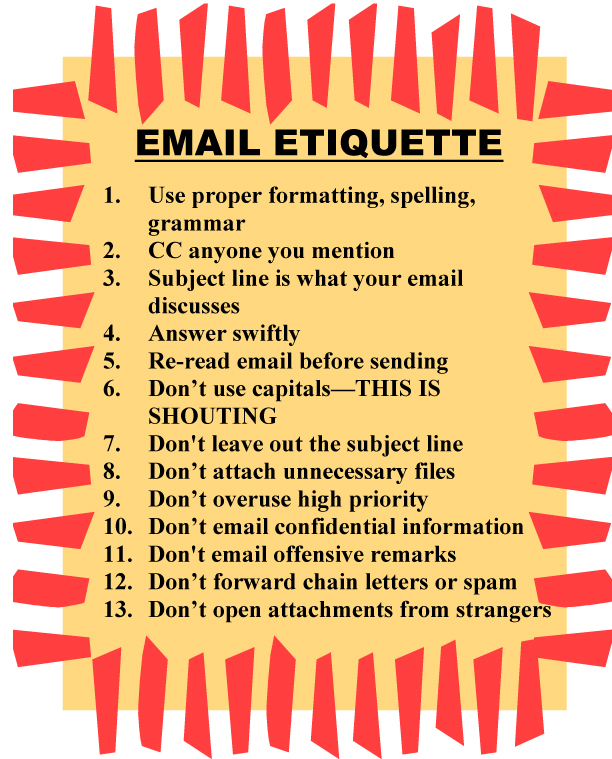
    a. Do we need rules and etiquette when sending emails?  (Do we really need rules or are they simply a waste of time or a restriction on our freedom to express ourselves?).   OR

    b. Texting     OR

    c. You and your friends have created a dog-walking service and have already created an advertisement. Prepare a presentation for your dog-walking service to go on your website. 


    June 11

    Oral Presentations

    Sunday, May 27, 2018

    May 28, 29, 30

    Related image
    https://www.slideshare.net/hilonihadani/email-etiqquete

    May 28
    Why do we need rules and etiquette when sending emails?  (Conceptual question)
    p. 175  Before you read Text C
    Focusing discussion

    Homework:  3 Read Theory passages

    May 29
    1.   5 minute Warm-up:    If I were the teacher, I would...
    2.  p. 176 While you read Text C
    Text C
    p. 177 Text handing: Factual understanding of Text C

    Homework:  3 Read Theory passages

    May 30
    Oral Presentation Preparation
    Do we need rules and etiquette when sending emails?  

    Tuesday, May 22, 2018

    May 21, 22, 23

    Image result for email etiquette
    https://askatechteacher.com/getting-started/free-posters/email-etiquette-poster-2/

    May 22
    Criterion A Assessment - Comprehending Written and Spoken Language

    May 23
    Why do we need rules and etiquette when sending emails?
    p. 175 - Before you read Text A
                  Focusing question

    HOMEWORK:  Gerunds and infinitives
    Exercises 1-3 
    https://www.englishpage.com/gerunds/part_1.htm


    Wednesday, May 9, 2018

    May 14, 15, 16

    May 14 

    1.   5 minute  WARM  UP -  describe the image

    Image result for pictures of hawaii volcano eruption

    2. p. 168  ATL Research and thinking skills
        It is also importnat to understand that the conventions of language can change over time.
        In the picture you can see hieroglyphics  from Ancient Egypt. The text was written about 3,000 years ago.
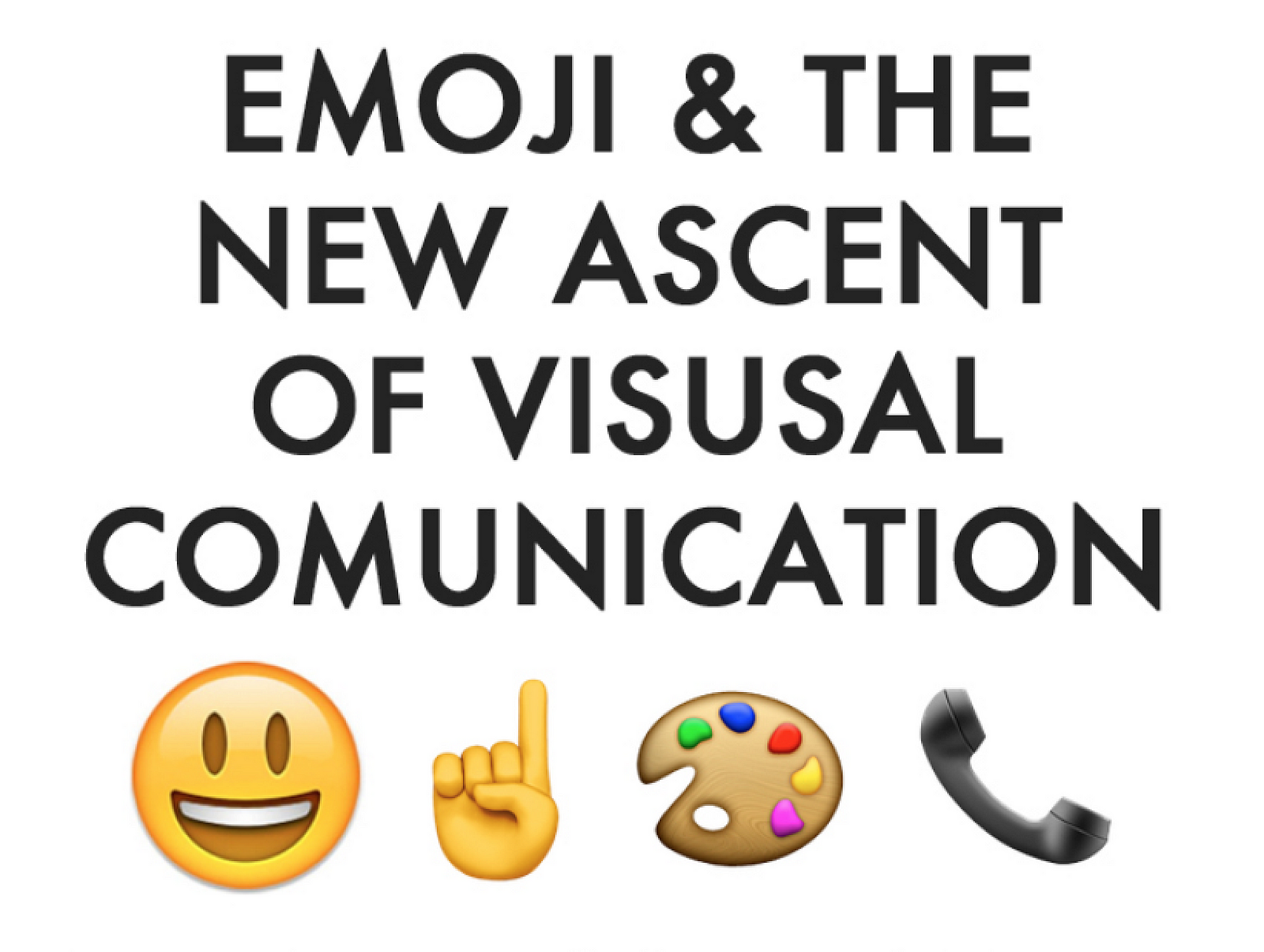
        To what extent are emoji similar to these hieroglyphics?
        What are the differences between texting with emoji and formal writing in English?

    HOMEWORK:  Watch video from below link
    National Geographic   https://www.natgeokids.com/uk/discover/history/egypt/hieroglyphics-uncovered/#!/register

    May 15
    p. 169  Thinking about creativity and conventions.

    May 16

    What is an audio-visual stimulas?  audio-visual text?


    1). Children's stories translated into emojis - can you guess which classic is which?

    https://www.mirror.co.uk/tech/childrens-stories-translated-emojis-can-9123994

    2). Now it's your turn.
    Practice:  Translate the following sentences into emoji

     I was so tired this morning. _____________________
     I love to play football.   ________________________
     My dog is so cute!  ____________________________

    Write:  Write a short story in emoji

    HOMEWORK:  10 Read Theory Passages

    Monday, May 7, 2018

    May 7, 8, 9

    Image result for 5 minute English class warm up
    May 7

    1.   5 minute  WARM  UP  -  How many sounds can you hear?  Sit in silence for two (2) minutes and write down every sound that you hear.
    Write in your notebook
     https://www.online-stopwatch.com/eggtimer-countdown/

    2.  Answer questions LearnEnglish Teens worksheet

    3.  Key and related concepts:  Creativitiy and convention   p.  167

    HOMEWORK:  Articles:  a, an, the  
         Explanation:  https://www.englisch-hilfen.de/en/grammar_list/artikel.htm
       
        Practice exercise:  Definite Articles
        https://www.englisch-hilfen.de/en/exercises/nouns_articles/a_the.htm
        https://www.englisch-hilfen.de/en/exercises/nouns_articles/article_the.htm
        https://www.englisch-hilfen.de/en/exercises/nouns_articles/article_the3.htm 
        https://www.englisch-hilfen.de/en/exercises/nouns_articles/article_the4.htm

    May 8
    1.  5 minute WARM  UP -
      https://www.online-stopwatch.com/eggtimer-countdown/
    An old man was dying and so he called his three sons. He gave them equal money and asked them to buy something that could fill their living room entirely. He told them that he would give all his money and property to the son who was able to do this task as asked.

    The first son buys sticks and tries to fill the room but he falls short of sticks. The second son buys straw but he also falls short of filling the room. The third son buys only two things and he is able to fill the room completely and thus earns all the property and money.

    What did he buy?

    2.   p. 168 Let's look at conventions in writing.  Write answers to the questions in your notebook.
          p. 169 Thinking about creativity and conventions

    HOMEWORK: Vocabulary:  Internet 101  https://www.englishpage.com/vocabulary/interactivelesson3.html

    May 9

    Criterion C, D - Writing Task 

    HOMEWORK:    10 Read Theory passages

    Sunday, April 29, 2018

    April 30, May1, 2

    Image result for read theory
    https://www.interventionhero.com/academic?lightbox=dataItem-iyohjb6k
      
    April 30
    1.   5 minute  WARM  UP  -  Yesterday, I wish I had...
    Write in your notebook
     https://www.online-stopwatch.com/eggtimer-countdown/

    2.  Read Theory
          a.  Receive your username/password.
          b.  Begin your placement test

    HOMEWORK:  5  READ THEORY  Exercises for Wednesday, May 2.


    May 1 - National holiday - no lessons

    May 2
    1.   5 minute  WARM  UP  -  1 thing I feel proud about. . .  Explain, include details
    Write in your notebook
     https://www.online-stopwatch.com/eggtimer-countdown/

    2.  British Council  - Exam speaking:  Oral presentation - exercises
    http://learnenglishteens.britishcouncil.org/exams/speaking-exams/oral-presentation 

    FYI (for your information)
    Great beginnings
    http://blog.visme.co/how-to-start-a-presentation/ 

     HOMEWORK:  5  READ THEORY  Exercises for Monday, May 7

    Monday, April 23, 2018

    April 23, 24, 25

    Resultado de imagem para oral presentations bbc
    http://www.bbc.co.uk/worldservice/learningenglish/business/talkingbusiness/unit3presentations/4tips.shtml


    April 23
    Oral Presentations:  Are emoji a creative use of language?

    Groups:  Sebastião, Liliana
                   Manuel, Tomás, Yuhan

    April 24
    Orals - Beginnings
    http://learnenglishteens.britishcouncil.org/exams/speaking-exams/oral-presentation 

    HOMEWORK:  1) Rewatch above video   2)Complete worksheet


    April 25
    National holiday

    April 30

    Great beginnings
    http://blog.visme.co/how-to-start-a-presentation/

    1. 5 minute  WARM  UP  -  Yesterday, I wish I had... 
    Write in your notebook

    2.  Page 166 Activity:  Instructions for use

    Your schoold has decided it needs some clear rules about the use of the emoticons and emojis in students' written schoolwork.
    Write a set of dos and donts for useing emoji in communitcations:
        A.  with friends,
        B.  for schoolwork
        C.  for formal emails such as college applications.

    Tuesday, April 10, 2018

    April 16, 17, 18

    Image result for are emoji a creative use of language?
    ttps://medium.com/@catherineannemoore/emoji-as-visual-literacy-cbebe37cb99c
    April 16, 17, 18

    Oral Presentation  Presentation Date April 23

    1.  Decide which prompt your group will choose.
         a.  Create a presentation (Powerpoint, Prezi, Keynote, etc) for a group of young children.   OR
         b.  Are emoji a creative use of language?  
    2.  Use the handouts to help guide your learning and organize your presentation.
    3.  Practice delivery and be ready to present on Monday, April 23

    HAVE  A  GREAT  WEEK :-)

    Monday, April 9, 2018

    April 9, 10, 11

    Image result for emoji
    https://thenextweb.com/facebook/2017/10/03/messenger-facebook-consistent-emoji/

    April 9

    1.  Review IDU Protest unit reading comprehension

    2.  Unit 3:   Emoticons, emoji and email etiquette

    Global context:  Scientific and technical innovation
    Key concept:  Creativity
    Related concept:  Conventions

    Statment of inquire:  There are social and formal conventions we should use when we communicate but we can still be creative in our use of language, especially in our use of social media.

    Inquiry questions:
      What are emoticons?
      What are emoji? how can we use emoji and emotions both appropriately and creatively?
      Can communication take place if we do not have conventions for speaking or writing?
      Will technological developments soon make formal written language unnecessary?

    April 10
    1.  What are emoticons?  Before reading  p. 157
         Discussion:  What do you know about emiticons and emojis?  When is it OK to use emoticons and emojis and when is it not OK to use them?

    2. Reading Assessment

    Sunday, March 18, 2018

    March 19, 20, 21


    Image result for write a protest song
    March 19
    Discussion based on research
    Research - Protests Around The World
    1.  Where are they happening?  Identify, List, Explain - include details
    2.  Why are people protesting?  What are the issues? Identify, List, Explain - include details


    March 20
    1.  Research protest songs

    2.  Write a Protest Song

    HOMEWORK:  Finish writing protest song

    March 21
    Criterion B - Reading Assessment

    Monday, March 12, 2018

    March 12, 13, 14

    Image result for protest
    https://www.dailymaverick.co.za/article/2016-11-20-groundup-victory-for-right-to-protest/#.WqaVEIKnyuU


    March 12, 13
    Write and Discuss: Why do you listen to music? How does music make you feel? Does music serve a different role in your life depending on your mood, who you are with or what you are doing? Does music ever cause you to think differently, to feel a part of something larger or to want to rise up and take action?

    Then, respond to this quotation by Pete Seeger, a champion of folk music, who died in 2014:
    One of the purposes of music is to help you forget your troubles; another, help you learn from your troubles (some do), and, some will help you do something about your troubles.
    Do you agree? Why?

    Listen and Annotate: Next, listen to We Shall Overcome a protest song from the 20th century, while reading along with the printed lyrics. As you listen, annotate by underlining, highlighting or writing in the margins — reacting or responding to anything in the lyrics or in the music itself.

    Discuss:
    • What did you notice in the song as you listened? How did it make you feel?
    • What did you hear that makes you say that?
    • What more can you find?
    March 14
    Research - Protests Around The World
    1.  Where are they happening?  Identify, List, Explain - include details
    2.  Why are people protesting?  What are the issues? Identify, List, Explain - include details

    Wednesday, February 28, 2018

    March 5, 6, 7

    Image result for protest music
    http://folkmusicramblings.blogspot.pt/2012/06/protest-songs.html

    March 5, 6, 7

    Which of the following is not something that protest alone can achieve?


    English B - Capable    IDU with Individuals & Societies      Protests

    1.  Research

    We shall overcome, we shall overcome,
    We shall overcome someday;
    Oh, deep in my heart, I do believe,
    We shall overcome someday.
     https://youtu.be/0VGZQmZdDjs

    The simple, aspirational lyrics of “We Shall Overcome” have been sung by everyone from churchgoers to civil rights protesters to Southern labor activists to the United States president.
    The song is part of a long history of protest music that has helped to open eyes and awaken consciences since the earliest years of American life, and the tradition continues today.

    Studying the protest music of the past or present can be a powerful and engaging teaching tool for students, whether the goal is to better understand a historical time period, analyze the power of lyrics and poetry, understand forces of social change or respond to current issues. 


    Saturday, February 24, 2018

    February 26, 27, 28

    Image result for endings and beginnings
    https://fbcover.com/facebook/quotes-sayings/all-endings-are-beginnings.html


    February 26
    Criterion A - Visual and Listening Comprehension

    February 27
    1.  Look at the image at the top of the page.  What does that mean?  Write your answer in your notebook.
    2) End of unit reflection

    February 28
    New Unit

    Sunday, February 18, 2018

    February 19, 20, 21

    Image result for what did you learn
    http://connectedprincipals.com/archives/11752

    February 19

    A look back over this unit - What did you learn?

    February 20
    Criterion C, D  Assessment   -  Writing

    February 21
    Criterion B - Reading Assessment

    Sunday, February 4, 2018

    February 5, 6, 7

    http://cleaneatsfastfeets.com/wp-content/uploads/2015/10/Week-In-Review-Button-Final.jpg
    February 5
    Let's review the work you did last week.


    February 6
    p. 95, 96
    How to analyse a conflict   (Discussion and debate)

    Formative oral and interactive skills:  Speech
    Planning and scaffolding
    Commun icating with a sense of audience

    February 7
    Key and related concepts
    Connections and empathy

    Tuesday, January 23, 2018

    January 29, 30, 31

    Add captihttps://www.enasco.com/prod/images/products/59/AC070615l.jpgon
    January 29
    p. 92 While you read Text B1 and B2
    Two stories of conflict and resolution

    p. 92 Text B1 The two sisters who fought over an orange
    Read the text and complete the After reading Text B1 on p. 93
    Answer questions in your notebook

    January 30
    p. 93Text B2  Seventeen camels, three brothers and a wise man
    Read the text and complete the After you read Text B2 on p. 94
    Answer questions in your notebook.

    Discussion and debate:  Now that you have read both stories in this section decide which conflict has a better resolution.  After you have made your choice, give a set of reasons why the one solution is better than the other.  Write your conclusions in your notebook

    January 31
    pp. 94-95 -  Role-play - conflict resolution

    Look at the picture on the right.
    What do you think is happening?  Answer in your notebook.
    What could the argument be about?  Answer in your notebook.
    How are such fights and arguments resolved in your school?  Answer in your notebook.

    p. 95. Now read on.

    Answer all questions and draw conclusions in your notebook.

    Saturday, January 20, 2018

    January 22, 23, 24

    http://images.slideplayer.com/23/6638774/slides/slide_3.jpg
    January 22, 23, 24

    Formative writing:  skills
    p. 88 Explanation
    p. 89 Structure

    p. 90 Reasoned argument:  scenario

    p.90 Formative writing activity:  Reasoned argument
            Complete the chart and write a reasoned argument email to send to Jack based on the scenario stated at the top of p. 90.

    You can mention IB Learner Profiles (Caring, Principled)

    Sunday, January 14, 2018

    January 15, 16. 17

    https://www.theteflacademy.com/re_images/1500382994_900.jpg
    January 15, 16, 17
    Criterion C, D  -  Oral Assessment
    Let's refine our task.
    Scenario:  There will be 2 groups. The groups will consist of 3 people.  The roles will be counsellor, parent, teacher. The counsellor will introduce the meeting. The parent and teacher will each his/her point of view.

    We will peer assess these role play presentations.

    Homework: Unit 70  Countable nouns with A, An, Some

    Saturday, January 6, 2018

    January 8, 9, 10

    https://image.slidesharecdn.com/signpostwords-120907121915-phpapp02/95/signpost-words-2-728.jpg?cb=1347020410
    January 8, 9, 10
    Conflict resolution - a case study
    pp 87-88
    Oral Speech preparation

    ATL Skills:
    Analyse and evaluate issues and ideas
      Recognize unstated assumptions and bias.
      Evaluate evidence and arguments.
      Recognize and evaluate propositions
      Test generalizations and conclusions.

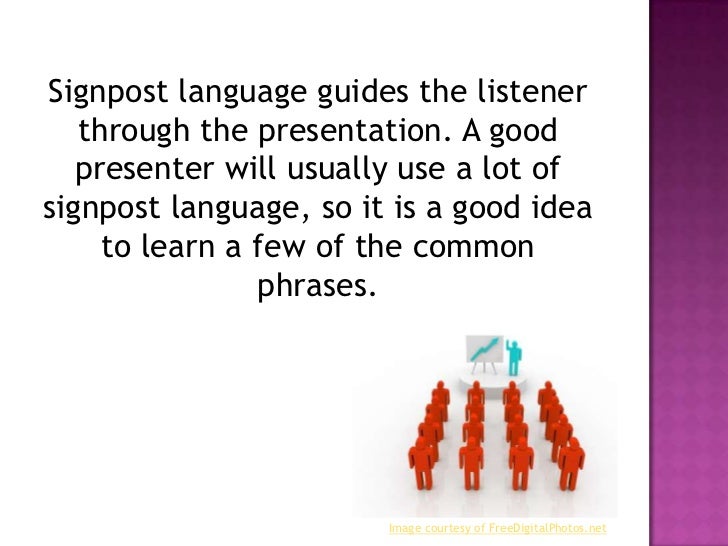
    Signposting language examples: https://www.ieltsbuddy.com/signposting-language.html

    Homework:  
    Unit 94 - Relative Clauses
    Unit      - A, An, The
    Unit      - A, An, The
    Unit      - A, An, The
    Unit      - A, An, The

    Monday, December 11, 2017

    December 11, 12, 13

    December 11
    Unit 93 Relative Clauses (3) whose/whom/where

    Unit 91 Relative Clauses (1) clauses with who/that/which

    Unit 92 Relative clauses (2) clauses with or without who/that/which

    Write a postcard to your tutor:

    December 11, 2017  

    Dear Ms. xxxxxx   or Dear Mr. xxxxx, 

    Today in English class I learned   xxxxxxxx.
    I wanted to share this with you.

    Warmly,  
    Your name

    December 12
    Kahoot!

    December 13
    Movie

    Monday, December 4, 2017

    December 4

    p. 83  Discussion and debate
    p. 83  ATL Thinking and social skills

    p. 84 Formative writing activity:  Reasoned argument

    Planning and scaffolding - Complete the table

    Homework: p. 84  Retell the story from the moment the rajah wakes up.  Start here: '"Stop shouting!" called a very angry voice. It was the Rajah.'

    December 5, 6
    p. 85 Formative oral activity   (Criteria Ci, Cii, iii, Civ)

    Planning and scaffolding:
    Address your audience
    How will the rajah speak to the six blind men?
    A. Formally
    B. Semi-formally
    C. Infomally
    Give your reason

    Make sure the audience understand the purpose of the speech
    Why is the rajah talking to the six blind men?

    Give evidence, examples and explanations for each key point.
    Use the information you added to the chart above on page 84 to speak to each of the six blind men.

    Have a strong conclusion
    What is the rajah's conclusion?

    Explain what you want to happen
    According to the rajah what should the six blind men do in the future?

    Homework: Unit 92 Relative clauses (2) who/that/which

    Thursday, November 23, 2017

    November 27, 28, 29


    November 27

    Facts or opinions - BBC Skillswise http://www.bbc.co.uk/skillswise/topic/fact-or-opinion

    p. 79   Before you read Text A
    p. 80  Text A; Part 1
              Read the text and complete Analysis of Part 1

    November 28

    p. 81, 82  Text A: Part 2, Text A: Part 3
                    Read the text and complete Analysis of Part 2

    Homework:  p. 83 After you Read Text A Analysis of Part 3   
                                  Short Answer Questions
                                  1.  According to the rajah, why were the men quarrelling?
                                  2.  What lesson did the blind men learn about truth?
                                  3.  What lessons does the story teach us about trusting our senses?
                                  4.  By reading the story, what lessons do we learn about facts and opinions?

                              Relative Clauses - Unit 91
    November 29

    p. 83  Discussion and debate
    p. 83  ATL Thinking and social skills

    p. 84 Formative writing activity:  Reasoned argument

    Planning and scaffolding - Complete the table

    Homework: p. 84  Retell the story from the moment the rajah wakes up.  Start here: '"Stop shouting!" called a very angry voice. It was the Rajah.'

    Sunday, November 12, 2017

    November 13, 14, 15

    https://blogger.googleusercontent.com/img/b/R29vZ2xl/AVvXsEjweRlpken1hBz2jqBZIEaVk4F2MdvcMdjE5xD8mmDPcOUpMn_MfQj-YDuv3LP7-2dnVCM0cRC43Rs9R1_3MY-aU2jBllPVmzCCDYItmV1ybmfcAzX90hEBA0iZdgEyFaSkQsRZHI1YEMM/s640/writinghelp.jpg
    November 13
    return and discuss assessments


    Homework:  
    https://www.ego4u.com/en/cram-up/grammar/irregular-verbs/exercise
    https://agendaweb.org/exercises/verbs/irregular-past-2.htm
    https://agendaweb.org/exercises/verbs/simple-past-irregular-3

    November 14

    https://www.time4writing.com/writing-resources/paragraph-writing-secrets/
    https://www.time4writing.com/writing-paragraphs/
    7 minute paragraph writing

    November 15
    Paragraph writing practice
    https://www.edutopia.org/article/50-writing-prompts-all-grade-levels-todd-finley

    Finish writing this paragraph:

    Soccer is my passion. This is my favorite sport for a number of reasons. First of all, playing with other people helps us develop a term spirit.  
    1)  Now write a sentence that is an example of how soccer helps someone learn to work in a team.  
    2) You can also add a sentence that states how you have made a lot of friends through your soccer team.
    3) Write a sentence that states that soccer challenges you physically.
    4) Give an example (1 or 2 examples) to support your idea that soccer challenges you physically.
    5) Write a sentence that states that soccer challenges you mentally.
    6) Give an example (1 or 2 examples) to support your idea that soccer challenges you physically.
    7) Write a concluding sentence that states that you could see yourself as a professional soccer player.
    8) Send me your completed paragraph by (school) email Thursday, November 16.


    November 20 -  Writing Assessment  - Criterion C, D